
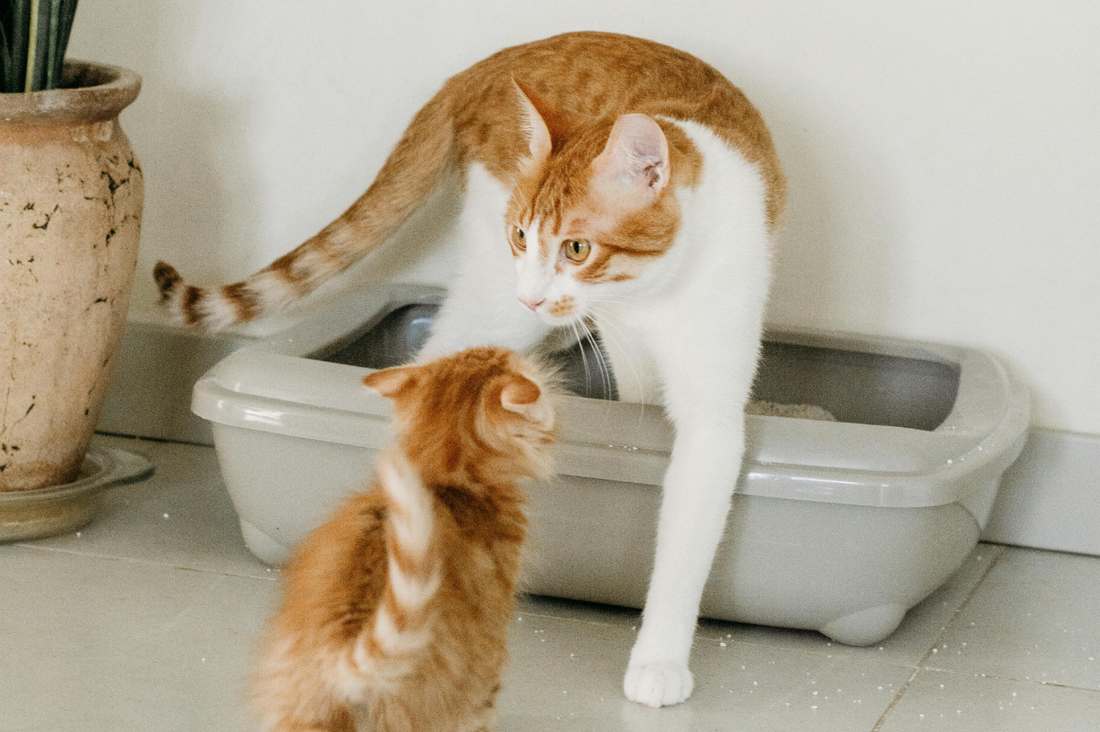
How to accustom a cat to the litter box
Whether you've brought home a kitten or adopted an adult cat, one of the most important tasks is training them to use the litter box. While most cats instinctively understand the purpose of the box, sometimes they need extra help, especially if they haven't been trained to do so before.
How to train a cat to use a litter box?
We present tips that will help your cat get used to the litter box more easily.
1. The right place.
The location of the litter box should be easily accessible and sufficiently secluded, as cats do not like to do their business in places with little peace, a lot of noise and observers. Therefore, it is not recommended to place the litter box next to the washing machine or refrigerator. If there is more than one cat in the house, it is recommended to have as many litter boxes as there are cats.
2. Litter selection.
When choosing a litter , pay attention to the size of the litter granules and the smell. Not all cats like the same litter, so it would be optimal to choose a fine, bouncy, odorless litter that resembles natural sand. Meanwhile, a strong-smelling litter can scare the cat away. If you can't find the right option right away, it's worth trying several different litters and observing which one your cat feels most comfortable with.
3. Getting to know the box.
For the first introduction, it is enough to show where the litter box is placed. Gently place it inside after sleeping, eating or when you notice that it is looking for a place to urinate. The most important thing is not to use force, not to rush and not to cause additional stress. So, after the cat uses the box, you can praise it in a calm voice. With a growing kitten, it is recommended to initially take it to the box and gently hold it by the front paws to simulate the process of burying the litter.
4. Maintaining cleanliness.
Cats are very clean creatures, so they will definitely avoid using a dirty, smelly box. Therefore, it is recommended to clean the litter box daily, and the box itself at least once a week. Choosing a convenient litter scoop or scoop will make the process of cleaning the toilet easier and more efficient. Mild, odorless and non-allergenic cleaners and fresheners can help reduce unpleasant odors. It is also recommended to have a mat to help prevent litter from spilling from the toilet onto the floor. Keeping the litter box clean and tidy is mandatory if we do not want the cat to start looking for alternative places to defecate.
5. Patience and monitoring the cat's progress.
If you have trained your cat to use the litter box, but it still won't use it, don't scold or punish it. Instead, look for other reasons. The cat may be feeling unwell, stressed by a new environment or changes in the home. Or it may be enough to change the litter box, clean the box, or simply move it to another area of the house. If the problem persists, consult a veterinarian.
Litter box training is a process that requires gentleness, patience, understanding, and encouragement, so it's important to be able to celebrate your cat's first steps on this journey of using the litter box.
You may also like: How to choose a scratching post for your cat

