
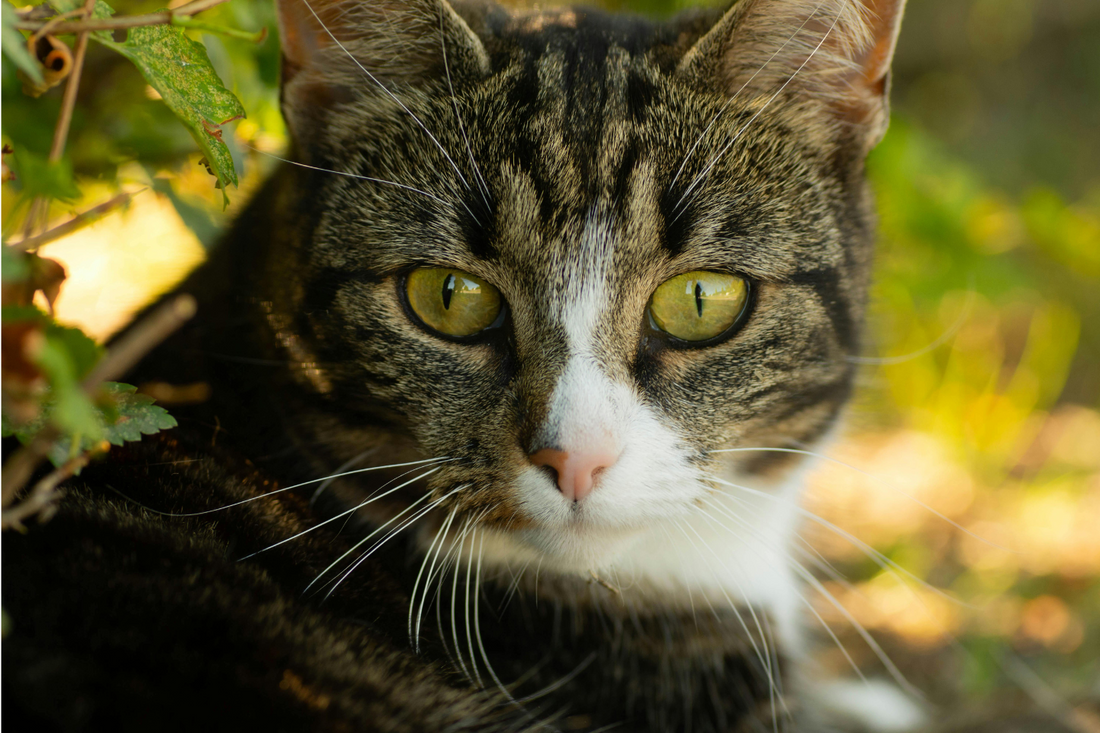
How to help a vomiting cat
Cats are known to have extremely sensitive digestive systems, so vomiting is a fairly common occurrence in their lives. Sometimes it can be a completely harmless reaction to overeating or cat hairballs, but in other cases, it can be a sign of a serious illness.
My cat is vomiting. How can I help her?
In this article, we will provide 5 important tips that will help you recognize the dangerous symptoms of vomiting and learn how to help your cat correctly.
1.Monitoring the frequency of vomiting in a cat.
If you notice that your cat is vomiting more often than usual and vomiting occurs several times a day or for several days in a row, it is worth worrying, and if you notice blood, bile or other unusual contents from your cat, you should contact your veterinarian as soon as possible. It is important to record the time of vomiting, color, consistency and whether vomiting occurred after feeding, as this will help the veterinarian more accurately diagnose the problem and provide assistance to resolve this matter. One-time vomiting after a cat has eaten is usually not dangerous.
2. Power outage.
If you notice that your cat is vomiting, it is recommended to take a 12-hour break from the next feeding, in other words, to let the cat's stomach rest. In this case, the cat should still have access to clean and fresh water. After some time has passed since the cessation of food, we recommend continuing feeding with more easily digestible food. Specific brand food is perfect for such cases, as it has a lighter composition and is suitable for pets with digestive problems.
3. Removal of toxic irritants.
There are many other factors that can cause a cat to vomit. Household chemicals, plastic, and other dangerous substances should be hidden and out of reach of the cat. If you keep plants at home, it is necessary to check whether you have any that may be poisonous to your cat. Here is a list of poisonous plants for cats: Monstera, ficus, tulip, aloe, iris, chlorophytum, zamioculcas, calla lily, plantain, hyacinth, daffodil . If you have at least one of these plants at home, then we recommend that you ensure that none of them are accessible to your cat. Also, sometimes food with an unusual smell or expired can become poisonous.
4. Overheating and stress management.
During the warm season, on hot days, cats may vomit due to overheating and dehydration. This problem can also be caused by stress caused by travel, sudden changes in environment, and noise. Therefore, we recommend that you ensure that your cat is provided with a safe space, a house or a corner where it feels safe and can relax. You can also use pheromone diffusers or toys that your cat likes. You can read more on this topic here: Preparing your pet for travel.
5. Observation of vomiting abnormalities.
If you have noticed sudden weight loss, illness, diarrhea, or loss of appetite in your cat, then a veterinary examination is necessary. Such symptoms may indicate more serious problems: intestinal obstruction, parasites, liver or kidney problems, diabetes, or even tumors. With the help of a veterinarian, the necessary blood, stool, or ultrasound tests will be performed to determine the exact cause of the ailment.
Here are a few more important things you need to know:
- Never use medication without the advice of a veterinarian .
- Hairballs are a common cause of vomiting in your cat . However, regular grooming and the use of food and supplements that help reduce hairballs can help prevent this problem.
- Preventive examinations , regular deworming , and proper nutrition can help prevent most digestive disorders .
We invite you to browse our e-store and choose products that meet your pet's needs!
You may also like: How to prepare for a visit to the vet

